In the Understanding Cultures post, we went through the whys and hows of studying various cultures.
Using that as support, we can get prepared to understand the people we are interacting with and to not be fixed into our ideas of them.
This way we cannot miss certain differences from the standard, and we are prepared to do our own analysis.
Now that being said, we can proceed with going through a series of patterns we can notice among certain clusters.
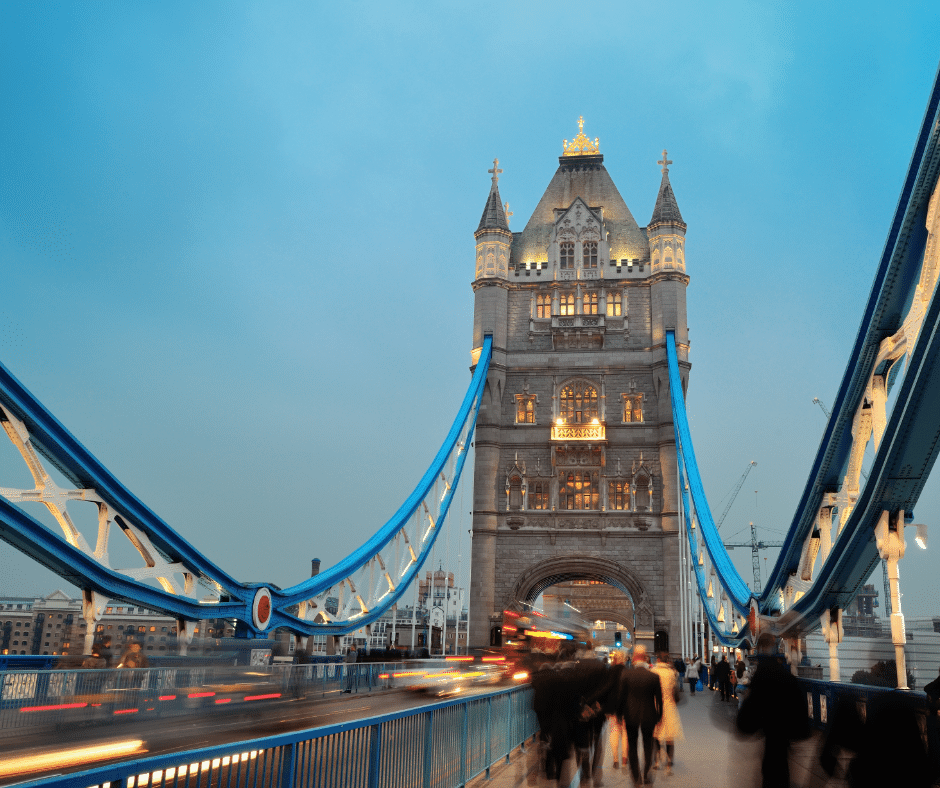
Anglo culture
The Anglo culture cluster is represented by some of the countries that were part of the former British empire.
The main countries we should keep in mind are:
- Australia
- Canada
- Ireland
- New Zealand
- The United Kingdom
- The United States of America
The countries in this cluster are some of the wealthiest around the globe, holding up to 40% of the global GDP, while only approx. 7% of world population.
Also, as these are quite dispersed and had to deal with migration, at the moment they are among most open to multiculturalism.
Cultural Dimensions
| Cultural Dimensions | Cluster Characteristics |
| Identity | Individualism |
| Authority | Low Power Distance |
| Risk | Low Uncertainty Avoidance |
| Achievement | Competitiveness |
| Time | Punctuality Short-Term Orientation |
| Communication | Direct |
| Lifestyle | Doing |
| Rules | Universalist |
| Expresiveness | Neutral |
| Social Norms | Loose |
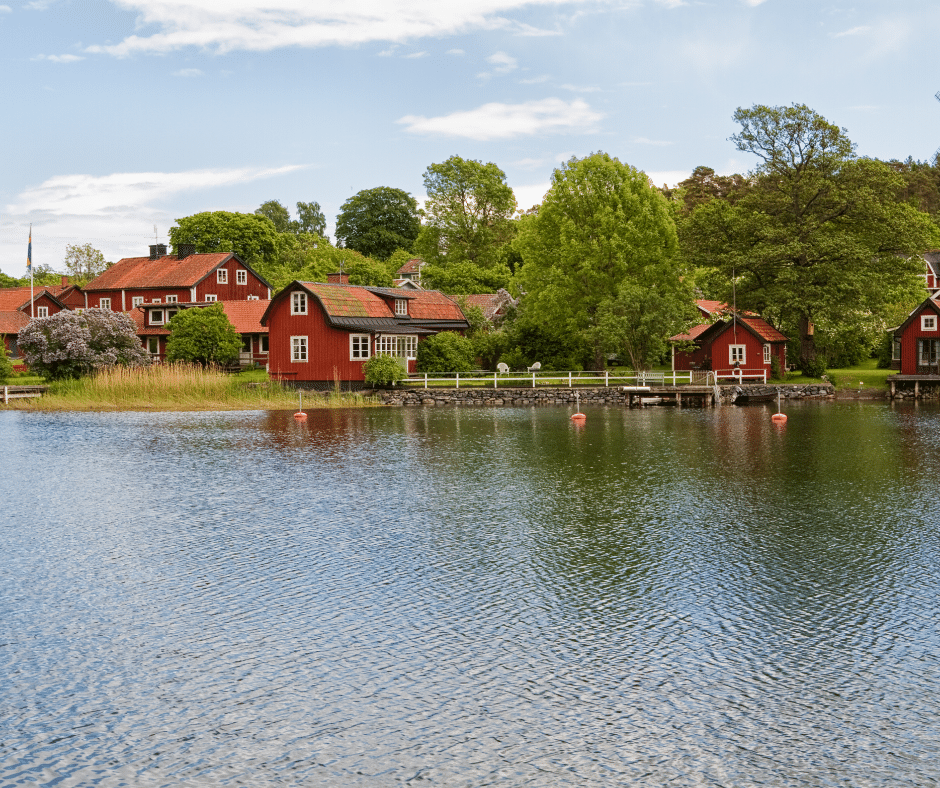
Nordic culture
The Nordic European cluster is located in the Northern part of Europe.
At their core, they have their values built around the idea that no one is more special than others.
Due to this, they tend to put society above individual interests, to not praise accomplishments or refrain from being jealous on others (a.k.a. Jante’s law).
The main countries we should keep in mind are:
- Denmark
- Finland
- Greenland
- Iceland
- Norway
- Sweden
Cultural dimensions
| Cultural Dimensions | Cluster Characteristics |
| Identity | Individualistic |
| Authority | Low-Power Distance |
| Risk | High-Uncertainty Avoidance |
| Achievement | Cooperative |
| Time | Punctuality Short-Term Oriented |
| Communication | Direct Low-Context |
| Lifestyle | Being |
| Rules | Universalist |
| Expresiveness | Particularist |
| Social Norms | Loose Social Norms |
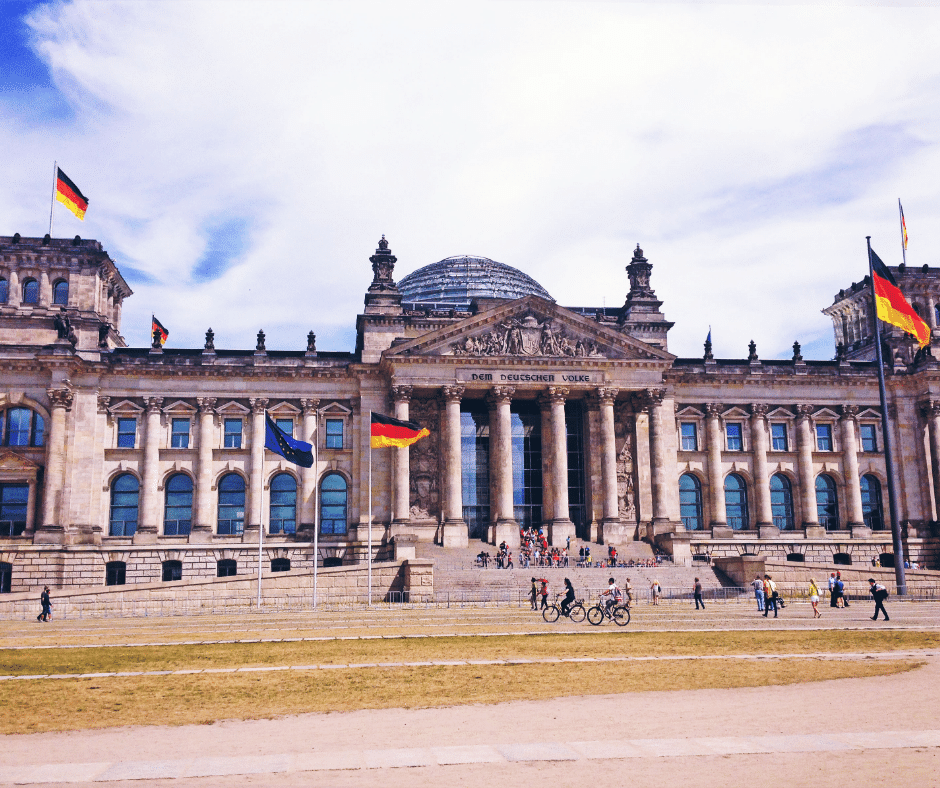
German culture
The Germanic cluster refers to mainly the germanic-language speaking populations.
However a small percentage of the world population this cluster contains, it has quite a big impact over the global economy, only Germany having the worlds 4th economy.
The main countries we should keep in mind are:
- Austria
- Germany
- Luxembourg
- Netherlands
- Switzerland
Cultural Dimensions
| Cultural Dimensions | Cluster Characteristics |
| Identity | Individualism |
| Authority | Low-Power Distance |
| Risk | High-Uncertainty Avoidance |
| Achievement | Competitive |
| Time | Punctual Long-Term |
| Communication | Direct |
| Lifestyle | Doing |
| Rules | Universalist |
| Expresiveness | Neutral |
| Social Norms | Loose Social Norms |
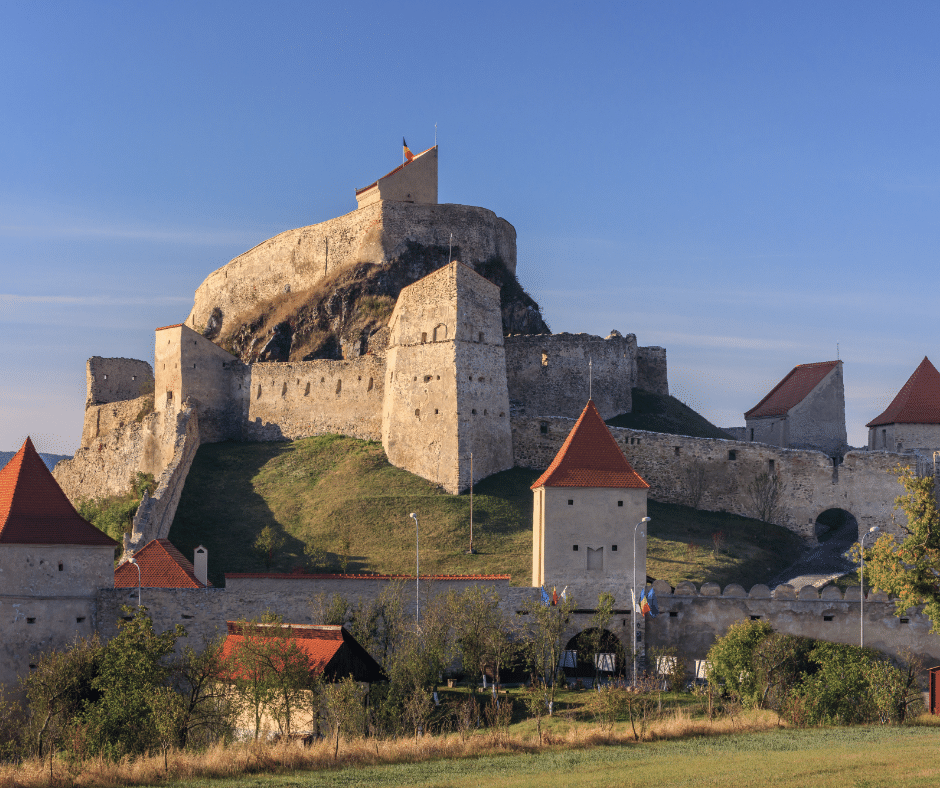
Eastern-european culture
The Eastern-European and Central Asian cluster is much more diverse than the other clusters: religion, history, language.
It is distributed over a large area and quite influenced by the former USSR.
In addition to that, at the basis of the population lifestyle stands a history of nomadic or semi-nomadic roots, that can be seen in some of the attitudes of this clusters (e.g.: initial skepticism when meeting someone new).
The main countries are:
- Afghanistan
- Albania
- Armenia
- Azerbaijan
- Bosnia and Herzegovina
- Bulgaria
- Belarus
- Cyprus
- Czech Republic
- Estonia
- Georgia
- Greece
- Croatia
- Hungary
- Kyrgyz Republic
- Kosovo
- Kazakhstan
- Lithuania
- Latvia
- Moldova
- Montenegro
- Macedonia
- Mongolia
- Poland
- Romania
- Serbia
- Russian Federation
- Slovenia
- Slovakia (Slovak Republic)
- Tajikistan
- Turkmenistan
- Ukraine
- Uzbekistan
Cultural Dimensions
| Cultural Dimensions | Cluster Characteristics |
| Identity | Collectivism (Family-Oriented) |
| Authority | High-Power Distance |
| Risk | High-Uncertainty Avoidance |
| Achievement | Competitive |
| Time | Long-Term |
| Communication | Indirect |
| Lifestyle | Doing |
| Rules | Particularist |
| Expresiveness | Neutral |
| Social Norms | Tight |
Latin-european culture
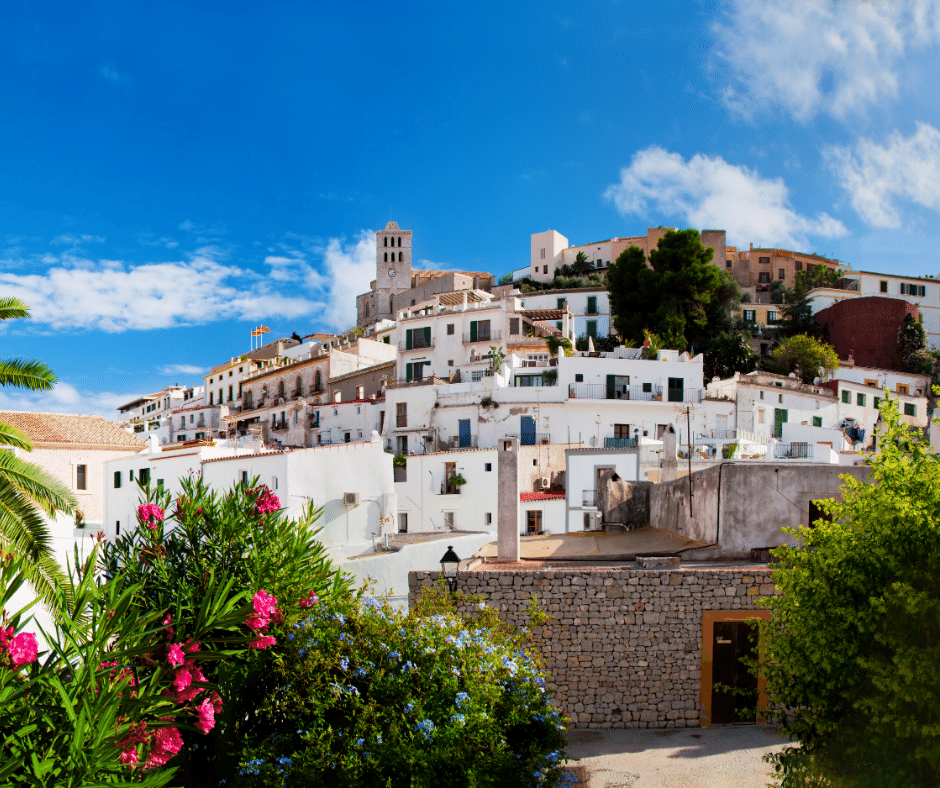
The Latin-European cluster is formed by the European countries that speak a romanic language (except Israel, which is included here due to the major community that have been living in these countries and later moved to Israel).
The interesting factor about this culture is that at its core, it has some traditional and paternalistic tendencies that they are combining with a preference towards competitiveness.
We should also keep in mind that in this cluster we can see best what has been left of the Roman empire and these were part of the power centre of Europe back in the day.
The main countries we should keep in mind are:
- Belgium
- Spain
- France
- Israel
- Italy
- Malta
- Portugal
Cultural Dimensions
| Cultural Dimensions | Cluster Characteristics |
| Identity | Collectivism |
| Authority | High-Power Distance |
| Risk | High-Uncertainty Avoidance |
| Achievement | Competitive |
| Time | Long-Term |
| Communication | Direct |
| Lifestyle | Being |
| Rules | Particularist |
| Expresiveness | Affective |
| Social Norms | Loose |
Latin-american culture
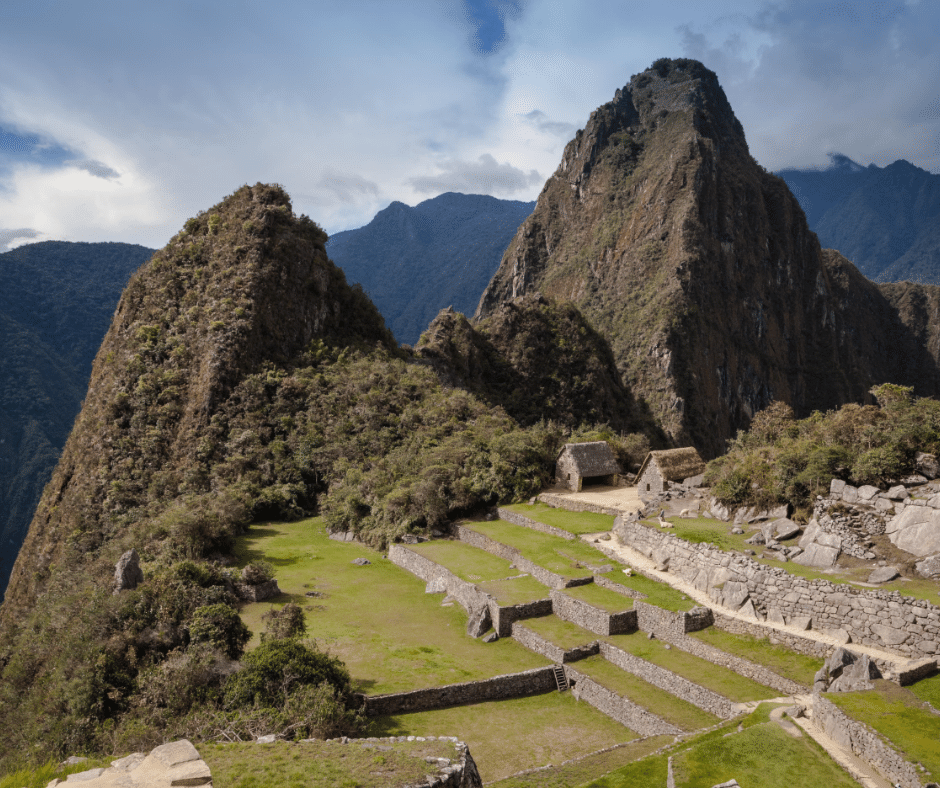
The Latin-American cluster are located in Central and South America.
Historically, the indigenous populations of the area were conquered by the latin-europeans. Due to the adoption of the conquerors religions and in the context of the area, the population of this culture is more conservative (with small exceptions, such as Brazil).
In many ways, the cultures are quite similar in their core values although the Latin-Americans have a more optimistic outlook than their European counterparts.
Also, the Latin-American cluster put a very high value on family, above work, and are comfortable having a more expressive way of communicating.
The countries in this cluster are:
- Argentina
- Bolivia
- Brazil
- Colombia
- Costa Rica
- Guatemala
- Ecuador
- El Salvador
- Mexico
- Uruguay
- Venezuela
Cultural Dimensions
| Cultural Dimensions | Cluster Characteristics |
| Identity | Collectivism |
| Authority | High-Power Distance |
| Risk | High-Uncertainty Avoidance |
| Achievement | Competitive |
| Time | Long-Term |
| Communication | Indirect High-Context |
| Lifestyle | Being |
| Rules | Particularist |
| Expresiveness | Affective |
| Social Norms | Tight |

Sub-saharan african culture
The Sub-Saharan African cluster has, at its essence, less unity than the other clusters and more of a tribal identity.
The African continent is where we have found proof that the first humans have appeared and where civilisations have begun, with the domestication of animals and creation of tools.
Majority of the population is living in rural areas. And as a remnant from the colonisation times is the fact that the populations have been limited in their capacity and skill set to deal on their own – this, however, has begun to change.
The main countries are:
- Angola
- Burkina Faso
- Burundi
- Benin
- Botswana
- Congo
- Central African Republic
- Congo
- Cote d’Ivoire
- Cameroon
- Cabo Verde
- Eritrea
- Ethiopia
- Gabon
- Ghana
- Gambia
- Guinea
- Equatorial Guinea
- Guinea-Bissau
- Kenya
- Liberia
- Lesotho
- Madagascar
- Mali
- Mauritius
- Malawi
- Mozambique
- Namibia
- Niger
- Nigeria
- Rwanda
- Sierra Leone
- Senegal
- South Sudan
- Sao Tome and Principe
- Swaziland
- Chad
- Togo
- Tanzania
- Uganda
- Mayotte
- South Africa
- Zambia
- Zimbabwe
- South Africa
Cultural Dimensions
| Cultural Dimensions | Cluster Characteristics |
| Identity | Collectivism |
| Authority | High-Power Distance |
| Risk | High-Uncertainty Avoidance |
| Achievement | Cooperative |
| Time | Short-Term |
| Communication | Direct |
| Lifestyle | Being |
| Rules | Particularist |
| Expresiveness | Neutral |
| Social Norms | Tight |
Arab culture
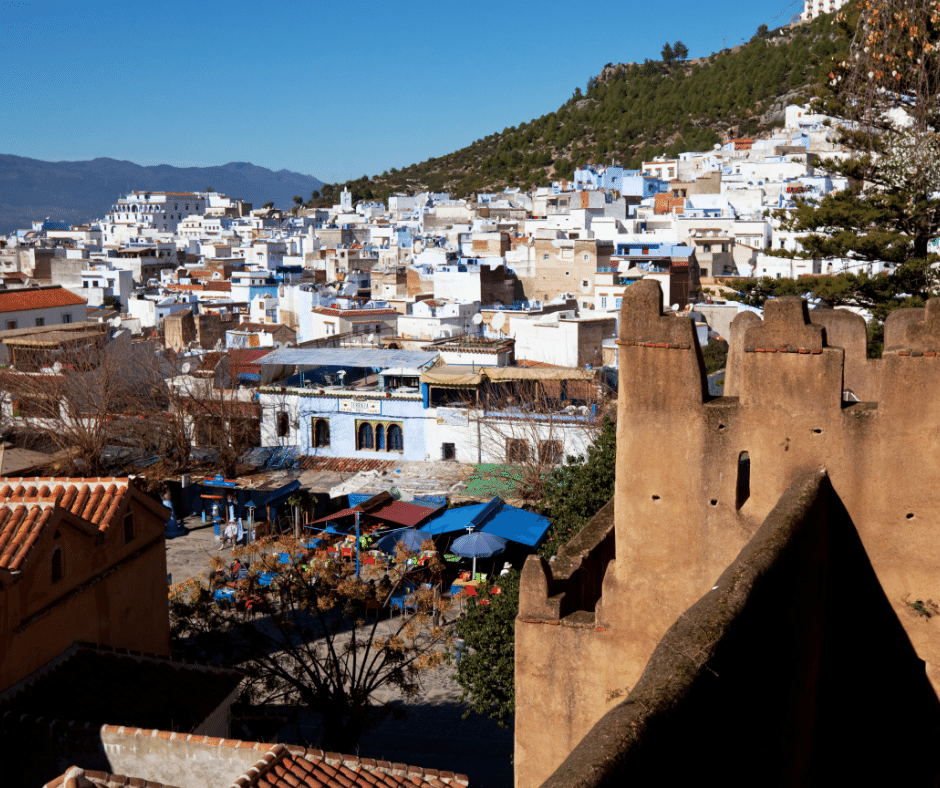
The Arabic cluster is formed by countries that speak mainly Arabic. We can imagine the area between the Atlantic ocean, Arabian sea and Mediterranean sea.
The area is rich in culture, with plenty of traditions and rules (eating, dressing, social interactions).
One of the core values of this cluster is family, and it influences all aspects of daily life.
From an economical perspective, there are some extremes being touched, especially as some of the countries in this cluster are quite rich due to the large oil reserve they hold (approx. 60% of the world reserve).
The main countries we should keep in mind are:
- United Arab Emirates
- Bahrain
- Djibouti
- Algeria
- Egypt
- Western Sahara
- Iraq
- Iran
- Jordan
- Kuwait
- Lebanon
- Libya
- Morocco
- Mauritania
- Oman
- Palestine
- Qatar
- Saudi Arabia
- Sudan
- Somalia
- Syrian Arab Republic
- Tunisia
- Turkey
- Yemen
Cultural Dimensions
| Cultural Dimensions | Cluster Characteristics |
| Identity | Collective |
| Authority | High-Power Distane |
| Risk | High-Uncertainty Avoidance |
| Achievement | Competitive |
| Time | Short-Term |
| Communication | Indirect |
| Lifestyle | Being |
| Rules | Particularist |
| Expresiveness | Affective |
| Social Norms | Tight |
South-asian culture
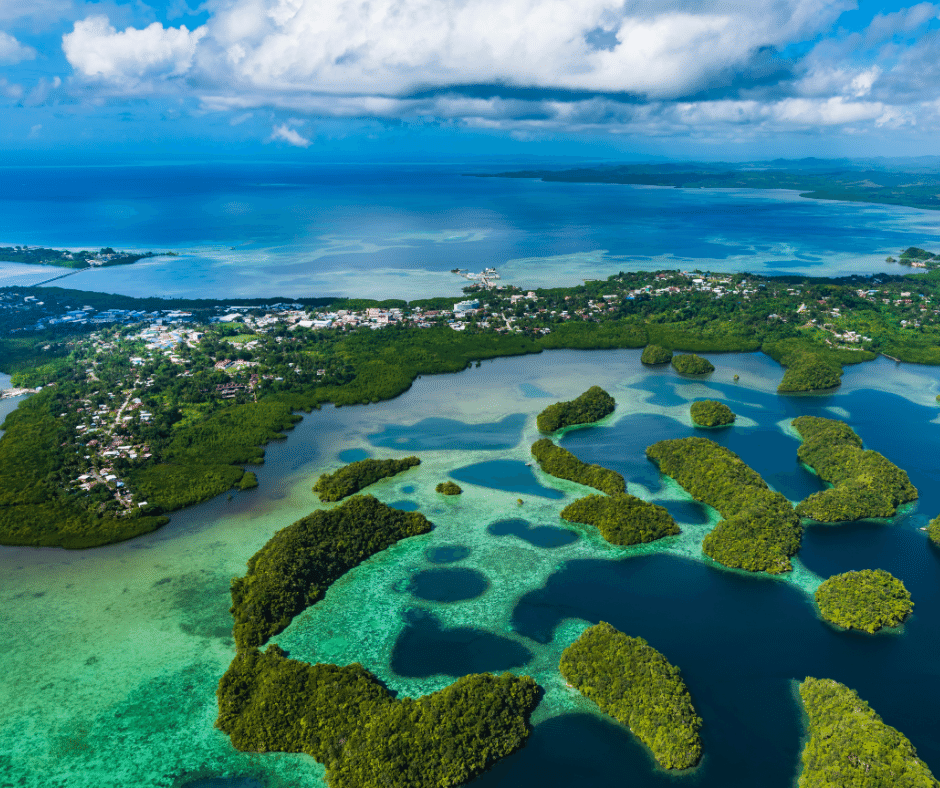
The South-Asian cluster seems to be one of the most diverse of the clusters, having so many ethnicities, religions and traditions.
However, they do share some common history that creates commonalities between these countries.
An interesting fact is that in spite of having so much diversity, this area has proven itself to be quite peaceful.
Also, due to the fact they were colonised by various cultures (Chinese, Arab, Portuguese, Dutch, British), this cluster is able to adapt and combine the external influences with their own traditions.
The main countries we should keep in mind are:
- Bangladesh
- Brunei Darussalam
- Bhutan
- Cocos (Keeling) Islands
- Cook Islands
- Christmas Island
- Fiji
- Micronesia
- Guam
- Indonesia
- India
- Cambodia
- Kiribati
- Lao People’s Democratic Republic
- Sri Lanka
- Marshall Islands
- Myanmar
- Northern Mariana Islands
- Maldives
- Malaysia
- New Caledonia
- Nepal
- Nauru
- Niue
- Papua New Guinea
- Philippines
- Pakistan
- Palau
- Réunion
- Solomon Islands
- Thailand
- Tokelau
- Timor-Leste
- Tonga
- Tuvalu
- Vietnam
- Vanuatu
- Wallis and Futuna
- Samoa
Cultural Dimensions
| Cultural Dimensions | Cluster Characteristics |
| Identity | Collectivism |
| Authority | High-Power Distance |
| Risk | Low-Uncertainty Avoidance |
| Achievement | Cooperative |
| Time | Long-Term |
| Communication | Indirect |
| Lifestyle | Doing |
| Rules | Particularist |
| Expresiveness | Neutral |
| Social Norms | Loose |

Confucian culture
The Confucian Asian cluster is, as the name suggests, influenced by the confucian philosophy or way of life.
The confucian cluster is formed by a highly ritualistic society, revolving around these concepts:
- Li: the rituals
- Yi: doing the rituals appropriately
- Ren: peace of mind
It is a culture that accepts authority and social inequality, and it is one in which gender inequality is still showing up quite often.
Another characteristic of this culture is their loyalty towards their families and organisations.
The main countries are:
- China
- Hong Kong
- Japan
- Korea
- Korea
- Macao
- Singapore
- Taiwan
Cultural Dimensions
| Cultural Dimensions | Cluster Characteristics |
| Identity | Collectivism |
| Authority | High-Power Distance |
| Risk | High-Uncertainty Avoidance |
| Achievement | Competitive |
| Time | Long-Term |
| Communication | Indirect |
| Lifestyle | Doing |
| Rules | Particularist |
| Expresiveness | Neutral |
| Social Norms | Tight |

 silvana comanici-stoianov